


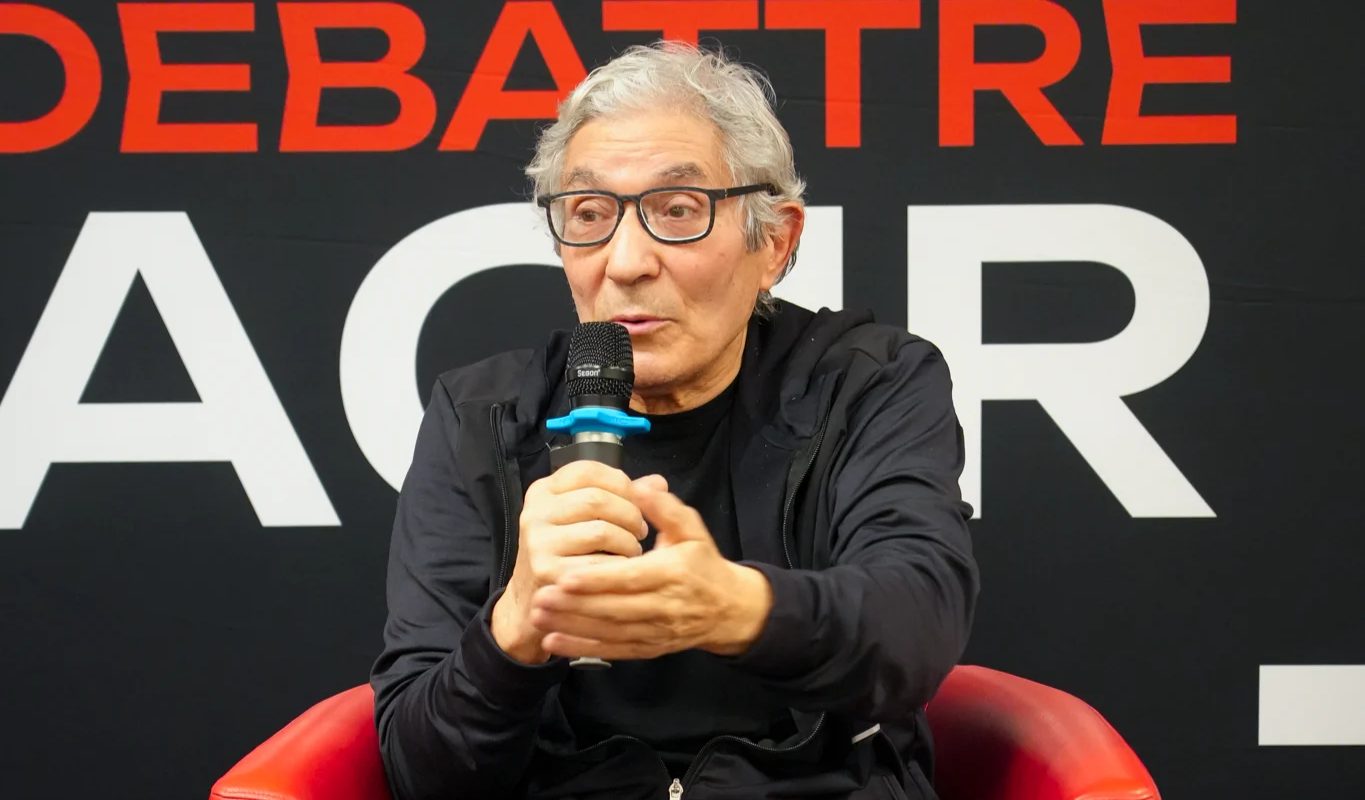
On March 17, the HEIP Paris campus hosted Algerian writer Boualem Sansal for an evening event centered on his work and his social activism. The event took on a unique, participatory format: five consecutive roundtable discussions, led by the school’s student organizations, during which students served as direct interlocutors with the author.
An educational program led by HEIP associations
By entrusting the moderation of each roundtable discussion to the student organizations and their presidents, the academic administration placed the students at the center of the discussion. Each session, based on excerpts from Boualem Sansal’s works, provided an opportunity to combine literary analysis with major societal themes. It was thus the students who initiated and structured the discussion, giving the dialogue a distinctly academic dynamic.
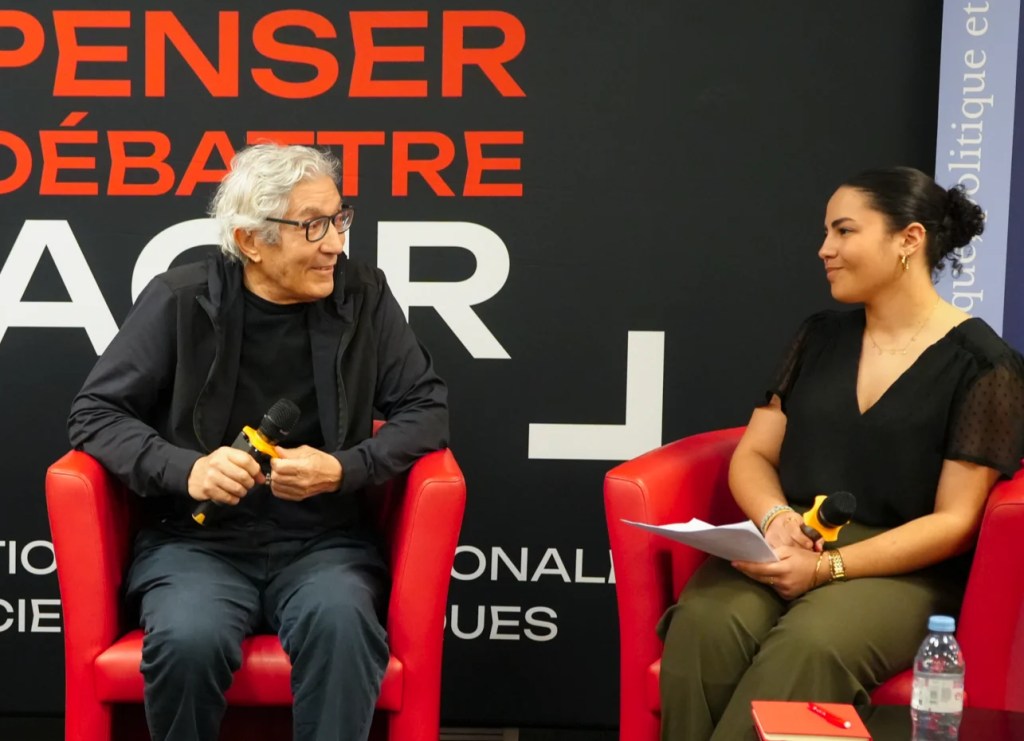
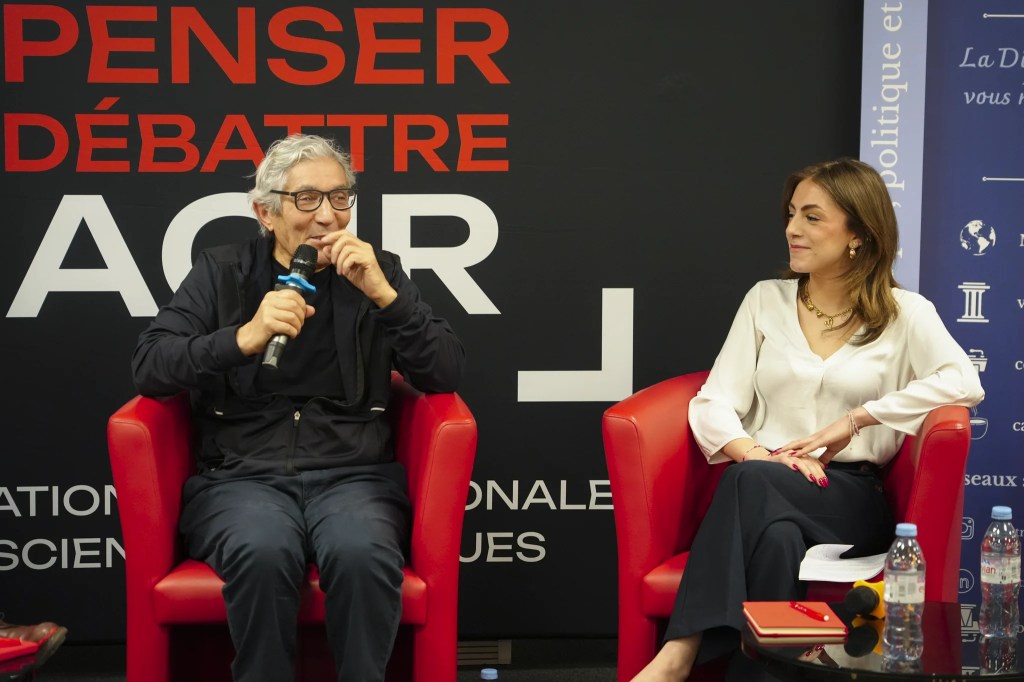
Roundtable 1: Prisons and Human Rights —Huma Association—Amel Elgaraa
Based on *2084: The End of the World* (2015), this roundtable discussion examined the mechanisms by which totalitarian regimes deprive individuals of their freedoms and the systemic violence inflicted upon them. Boualem Sansal emphasized the need for vigilance in the face of contemporary authoritarian excesses.
Roundtable 2 – Feminism and Religious Totalitarianism: Aequalis Association – Leana Pires
Also set in 2084, this segment explored the role of women in oppressive systems and the ways in which theocratic regimes exploit control over women’s bodies. Boualem Sansal noted that the feminist struggle remains an indicator of democratic vitality.
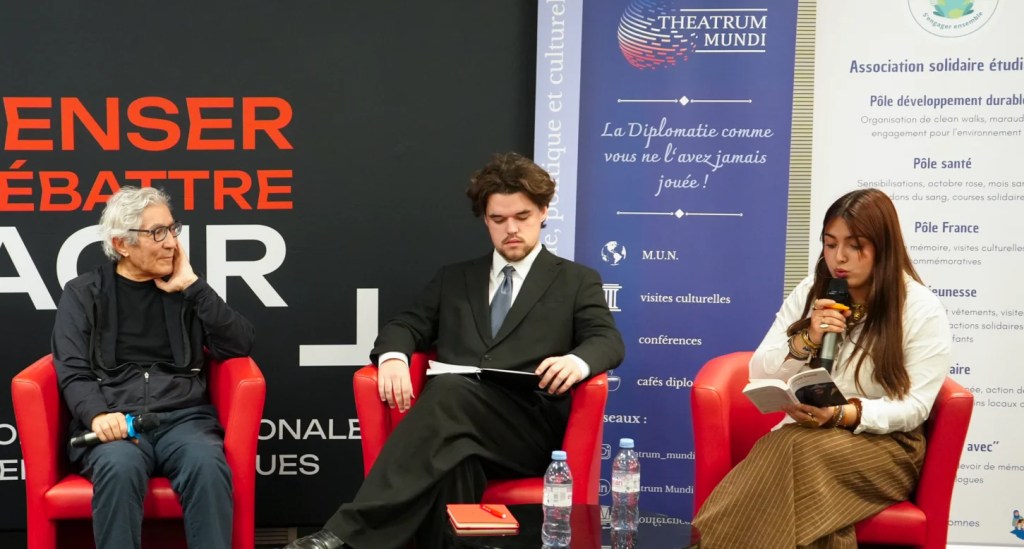
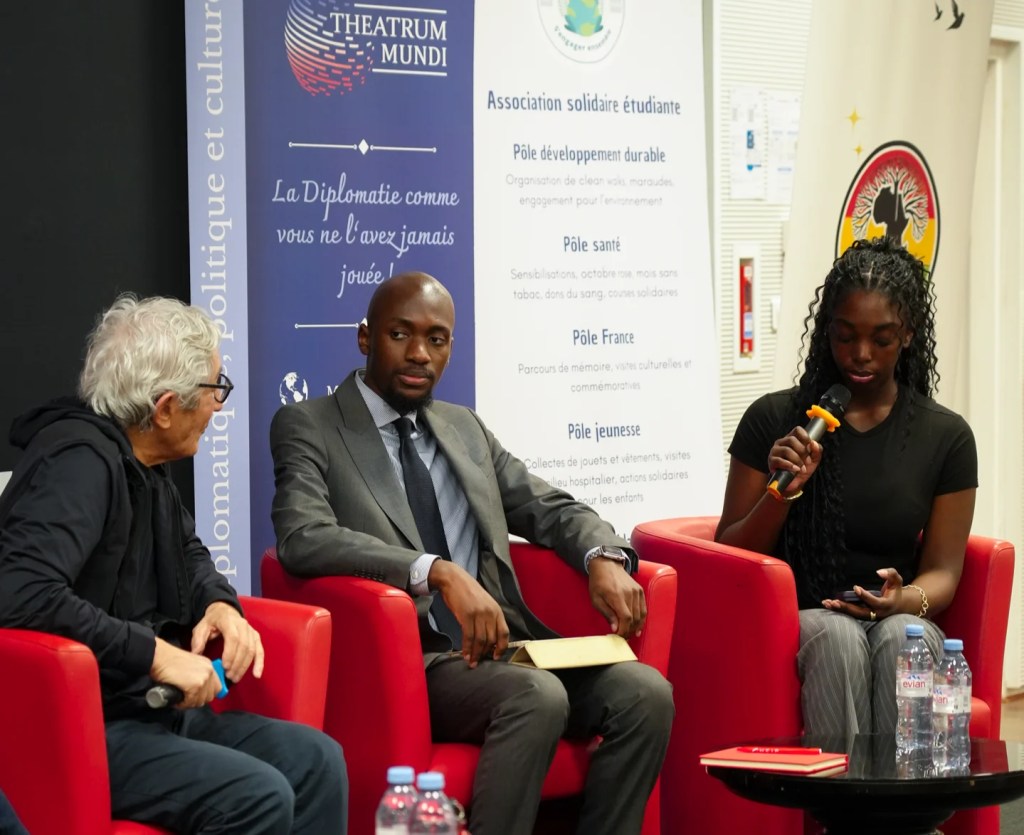
Roundtable 3 – After Independence: Promises and Realities Roots Association—Daniel Azebaze and Amina Ndiaye
The discussion surrounding *Rue Darwin* (2011) focused on post-independence disillusionment in North Africa, the historical responsibility of the elites, and the foundations of modern states.
Roundtable 4 – Franco-Algerian Relations: Theatrum Mundi Association – Arnaud Piollat Gaudart
Inspired by *The Oath of the Barbarians* (1999), this roundtable discussion addressed the Euro-Maghreb dialogue. Boualem Sansal advocated for a dialogue based on mutual recognition, free from unspoken assumptions.
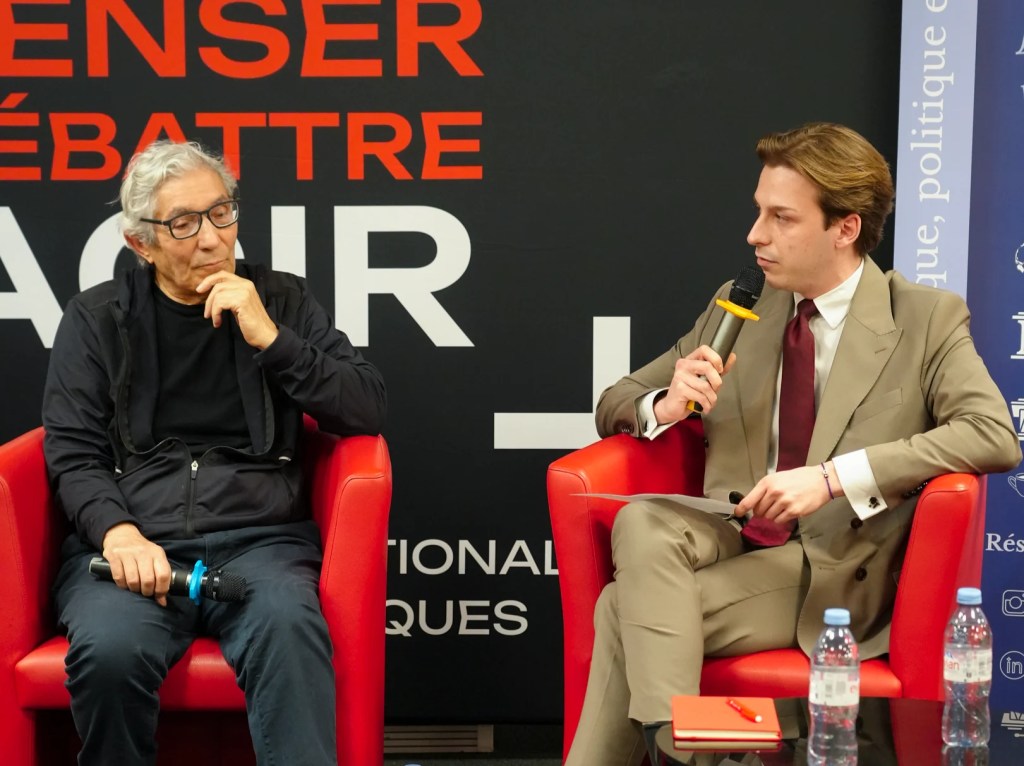
Roundtable 5 – The Duty to Remember: Oratores Association—Elea Da Cunha and Aristide Chrétien
The evening concluded with a screening of *Le Village de l’Allemand* (2008), followed by a discussion on the transmission of historical trauma and the need to confront the dark aspects of the past.
By bringing together Boualem Sansal and his student organizations to discuss such challenging topics, HEIP reaffirms its educational approach: to make literature a tool for critical thinking, rooted in contemporary issues.

Last update on